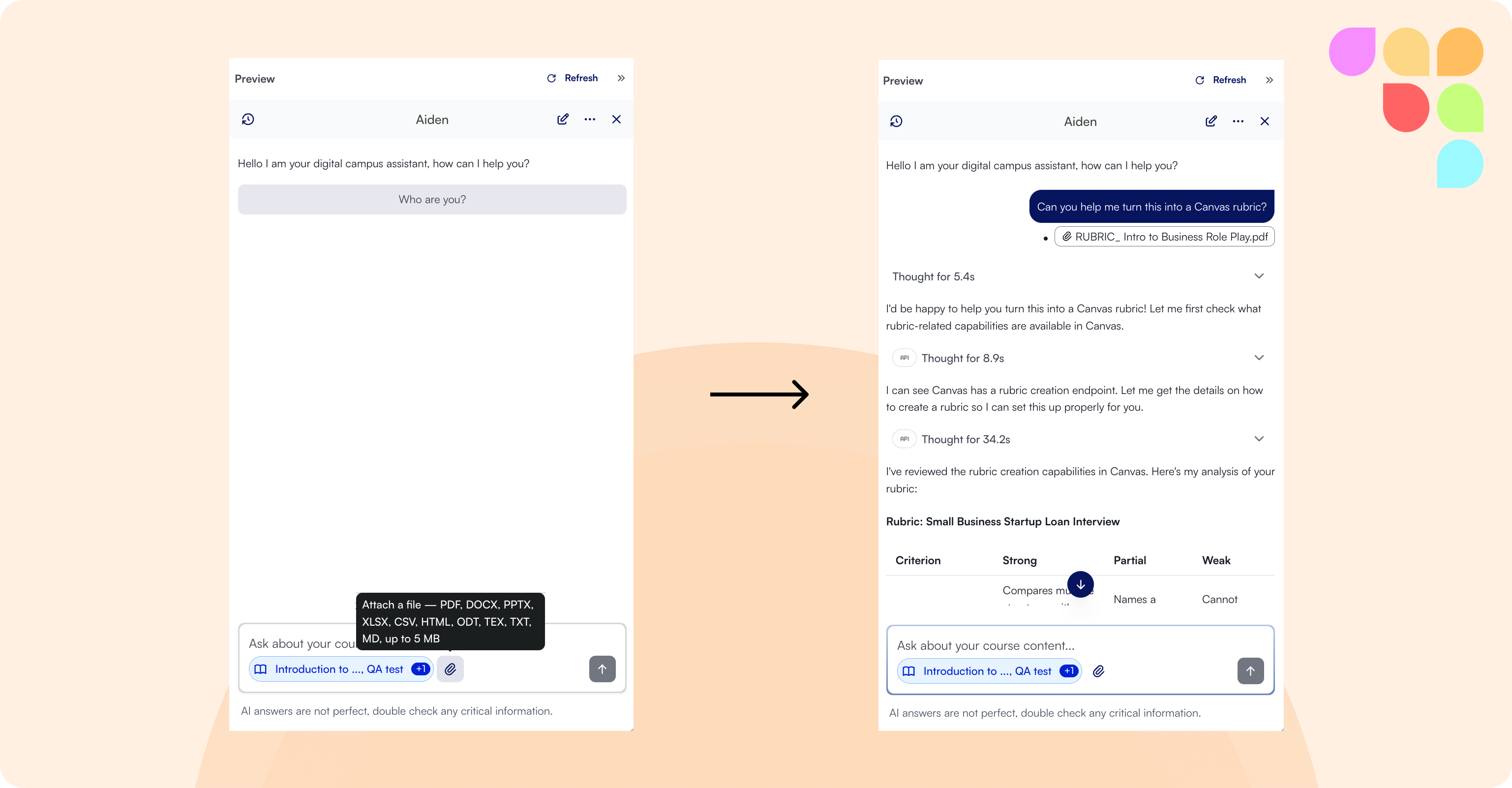
Release of October 19th, 2026
✨ New Features
Custom Roles, Permissions, and Data Privacy Controls
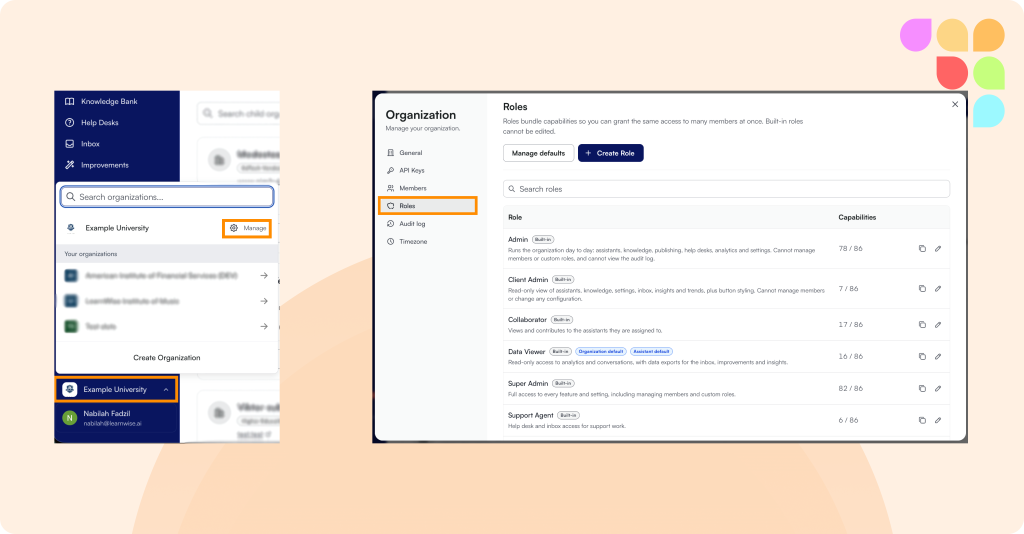
Admins now have much finer control over who can see and do what in LearnWise. You can create custom roles (using an existing role as a starting point), choose exactly which areas each role can view or edit, and assign roles across the whole organization or to individual assistants. Every default role except Super Admin can now be assigned at the assistant level, and all role changes are recorded in an audit log.
You can also control who sees student identities. Roles can be set to see Inbox data in anonymized form only (with exports and Improvement previews anonymized too), and anonymization can now be switched on for individual assistants, which is useful when one assistant handles sensitive topics while others should keep showing full user details.
Managing people is simpler as well: the Members page shows which assistants each person is assigned to, pending invites can be cancelled, and the sign-in and account screens have a refreshed design.
📄 How do I create a custom role?
📄 How do I view the audit log?
Parent and Child Organizations
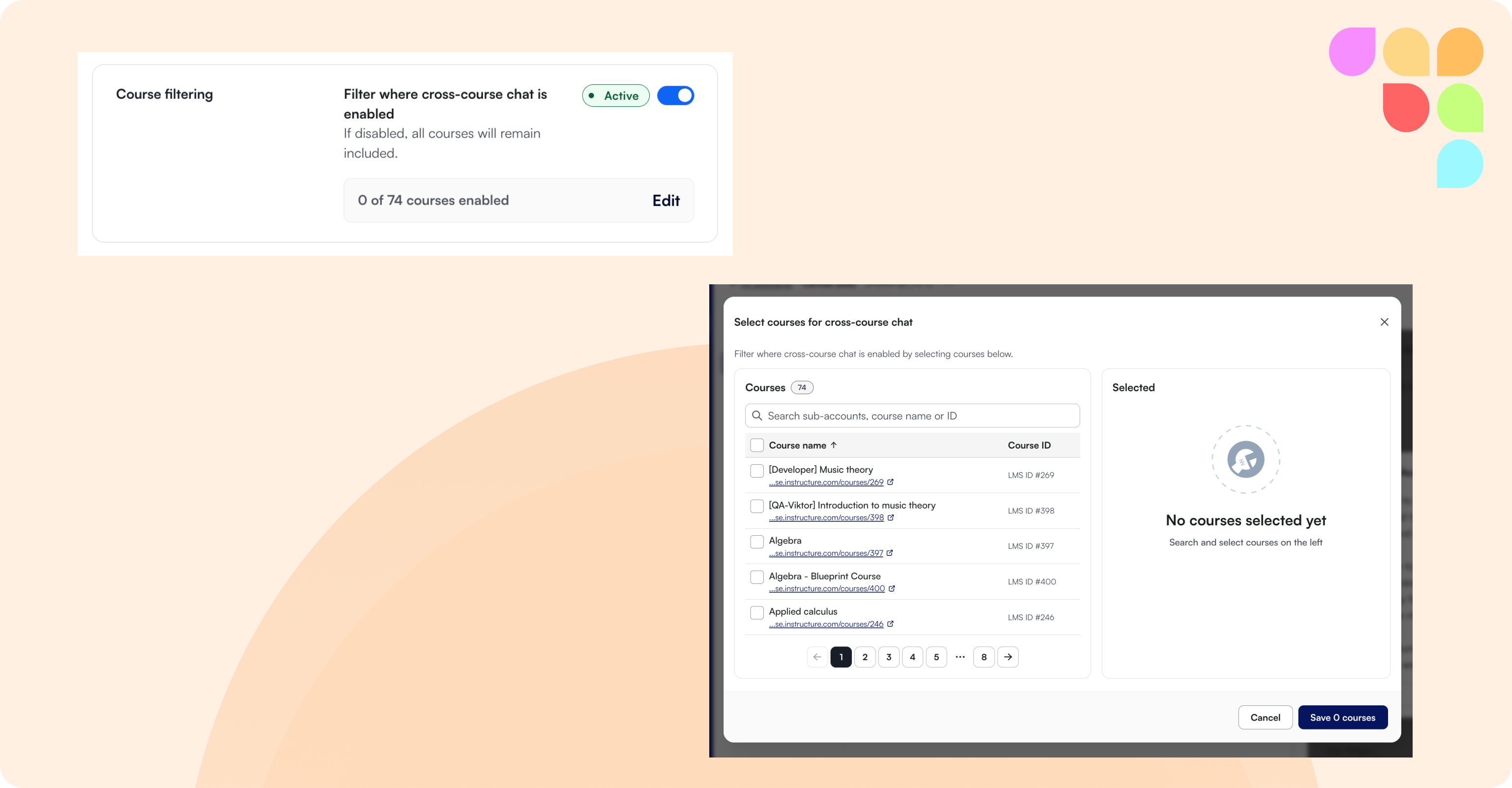
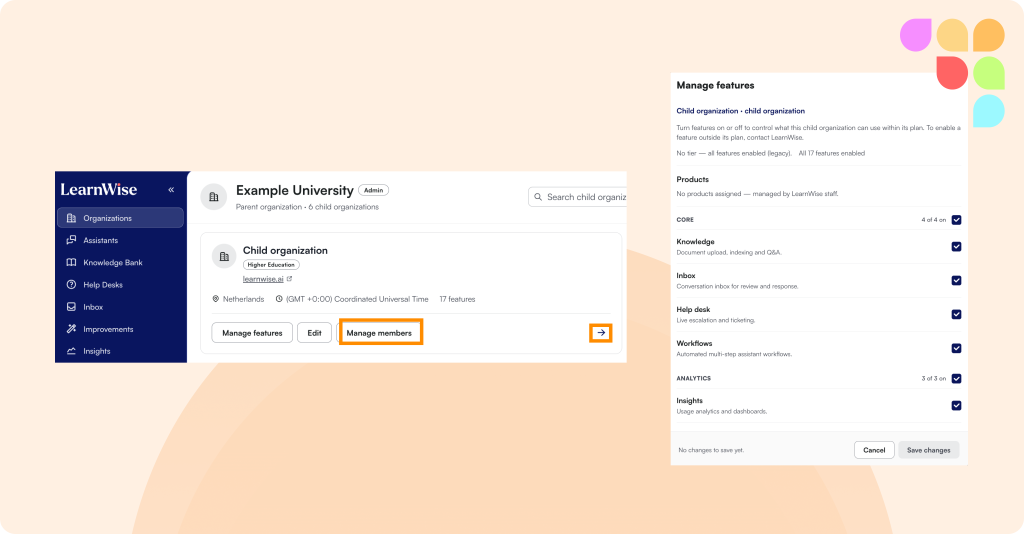
Institutions with several campuses, schools, or departments can now be set up as a parent organization with child organizations underneath. Parent organization admins get their own admin panel and dashboard, can view Insights across all child organizations, manage members of child organizations, and choose which features each child organization has access to.
📄 How do I manage child organizations from a parent organization?
Smarter Course Content
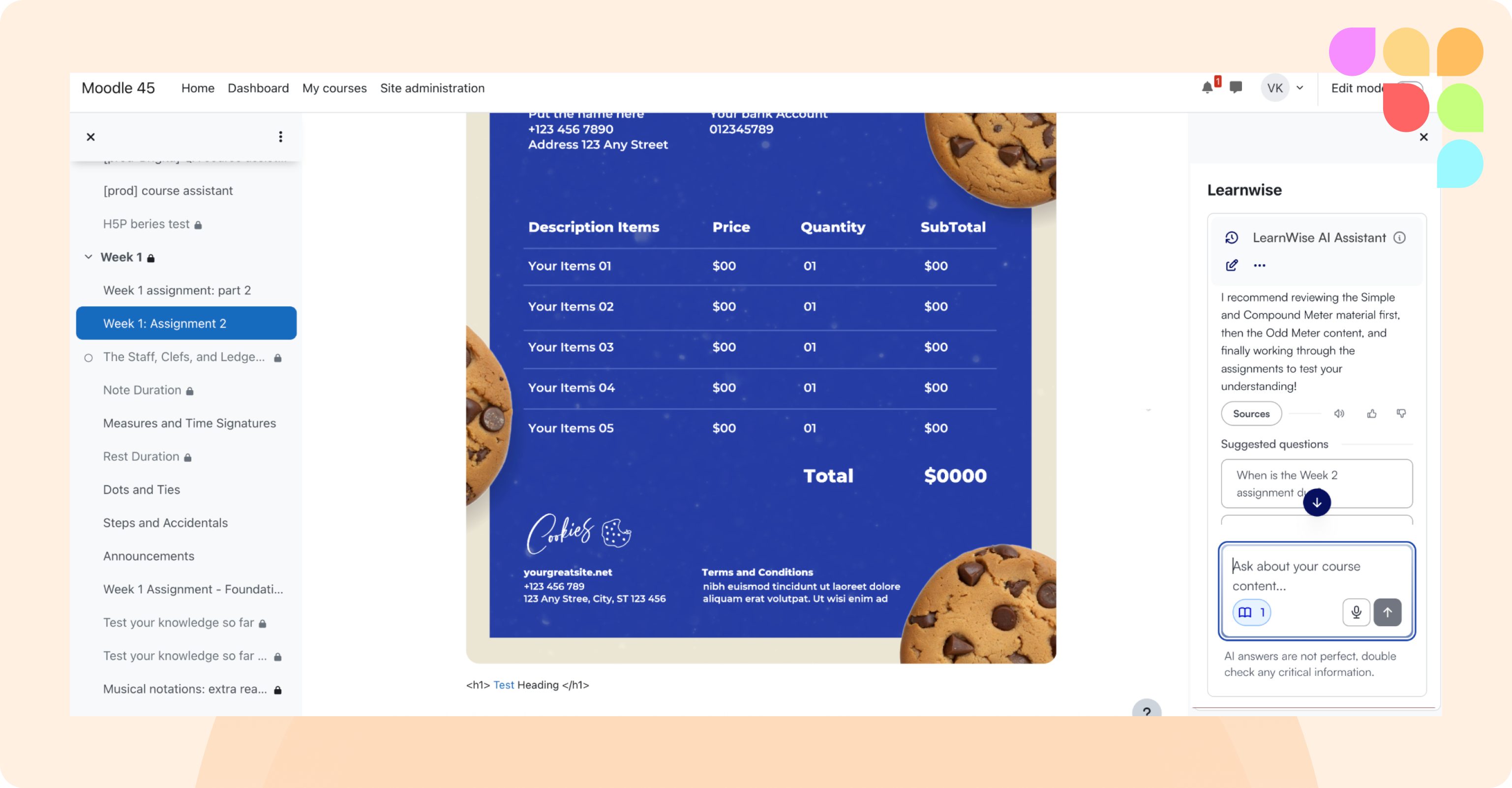
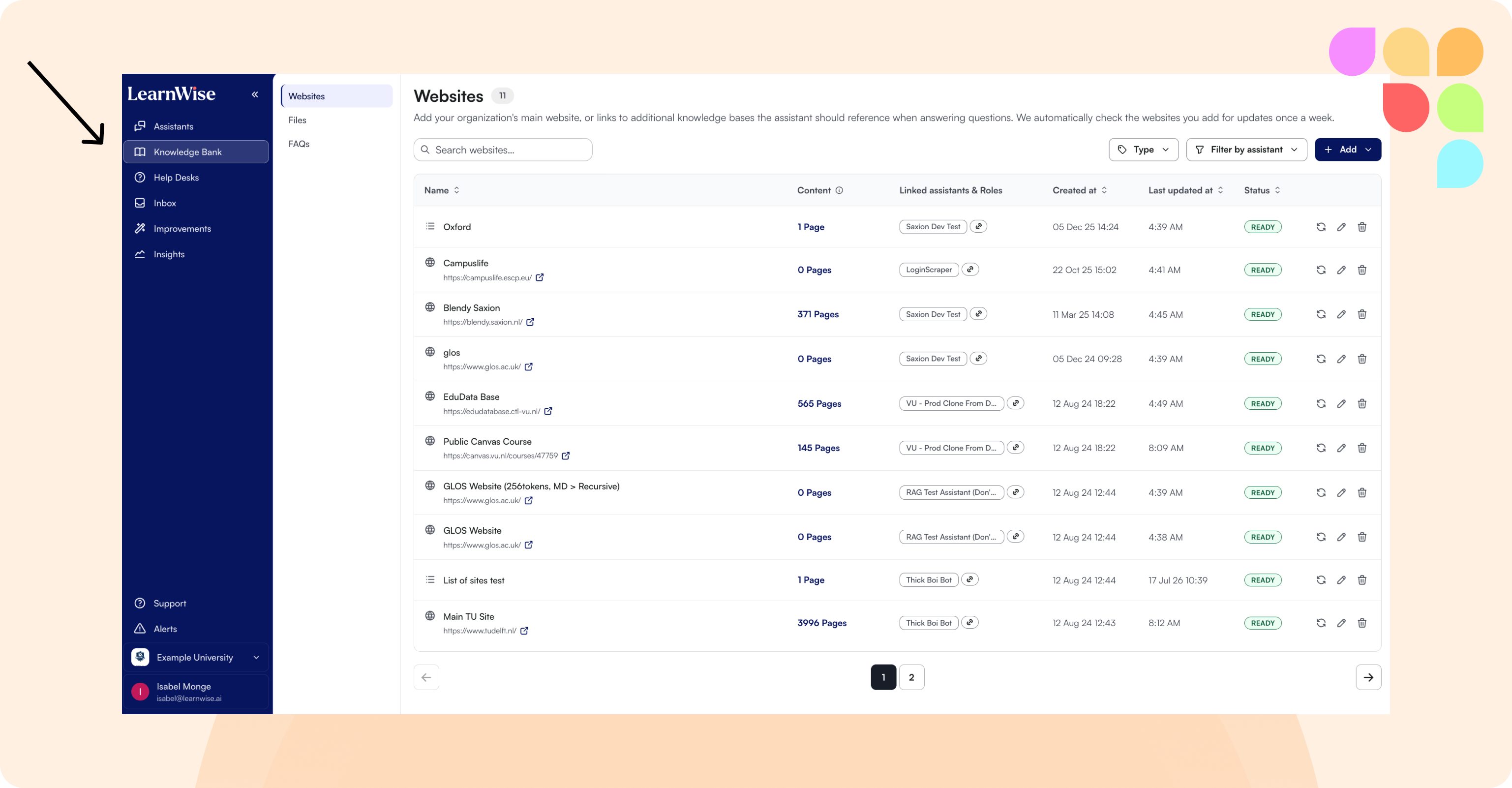
Course assistants can now follow links inside course pages to files (PDFs, Word documents, PowerPoints) and other pages within the same course, and add that content to their knowledge. Previously, linked material was skipped, which could lead to “I don’t know” answers. PDFs added to Moodle courses as URL links are now read too. Admins can also filter knowledge sources by whether their automatic updates are paused or active.
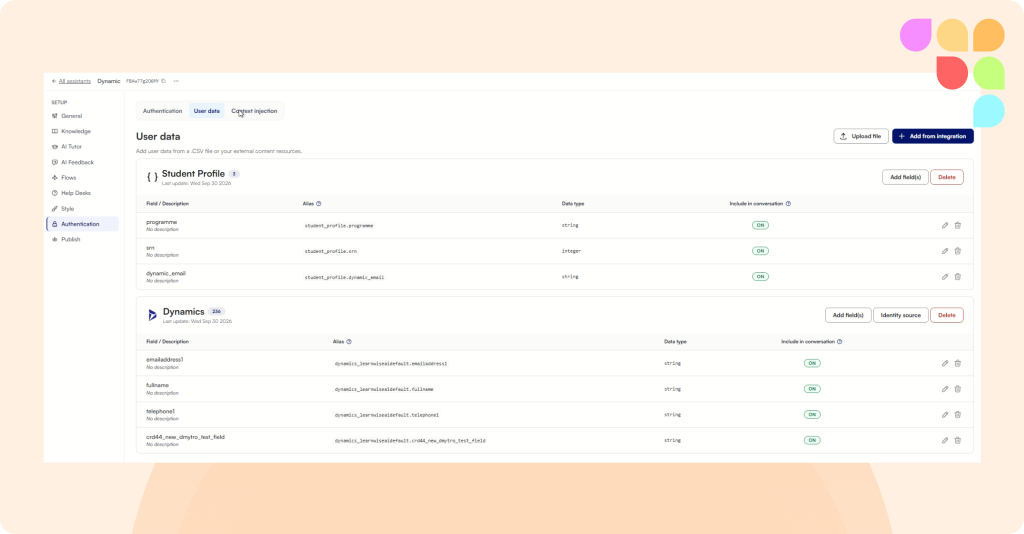
Microsoft Dynamics 365 as a User Data Source
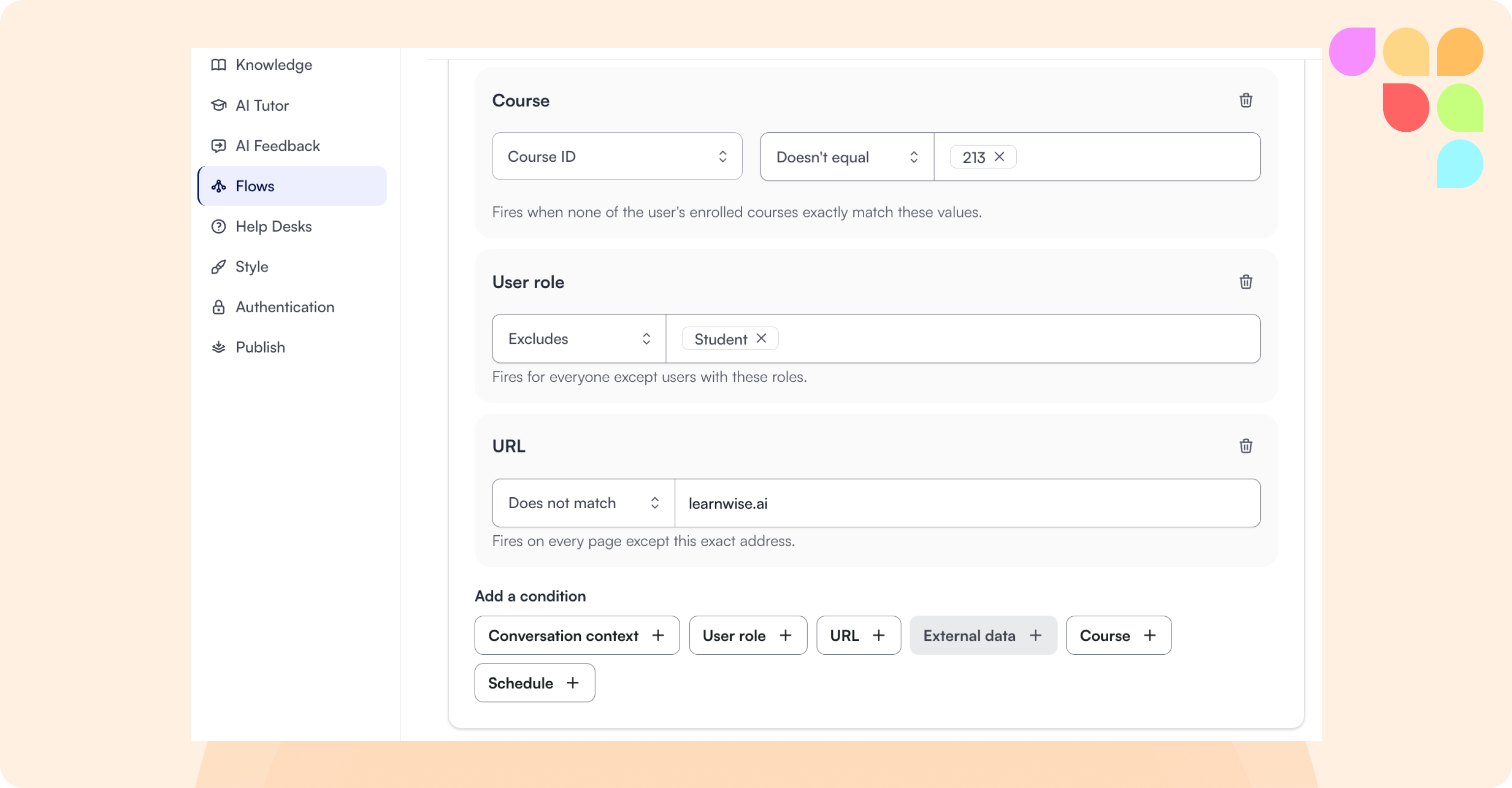
Microsoft Dynamics 365 can now be connected as an external user data source, alongside existing options like Microsoft Entra. Admins choose which profile fields to pull in, and those details become available in conversation context and Flows, so the assistant can tailor its answers to each user.
🛠 Improvements
Help Desk Escalation Updates
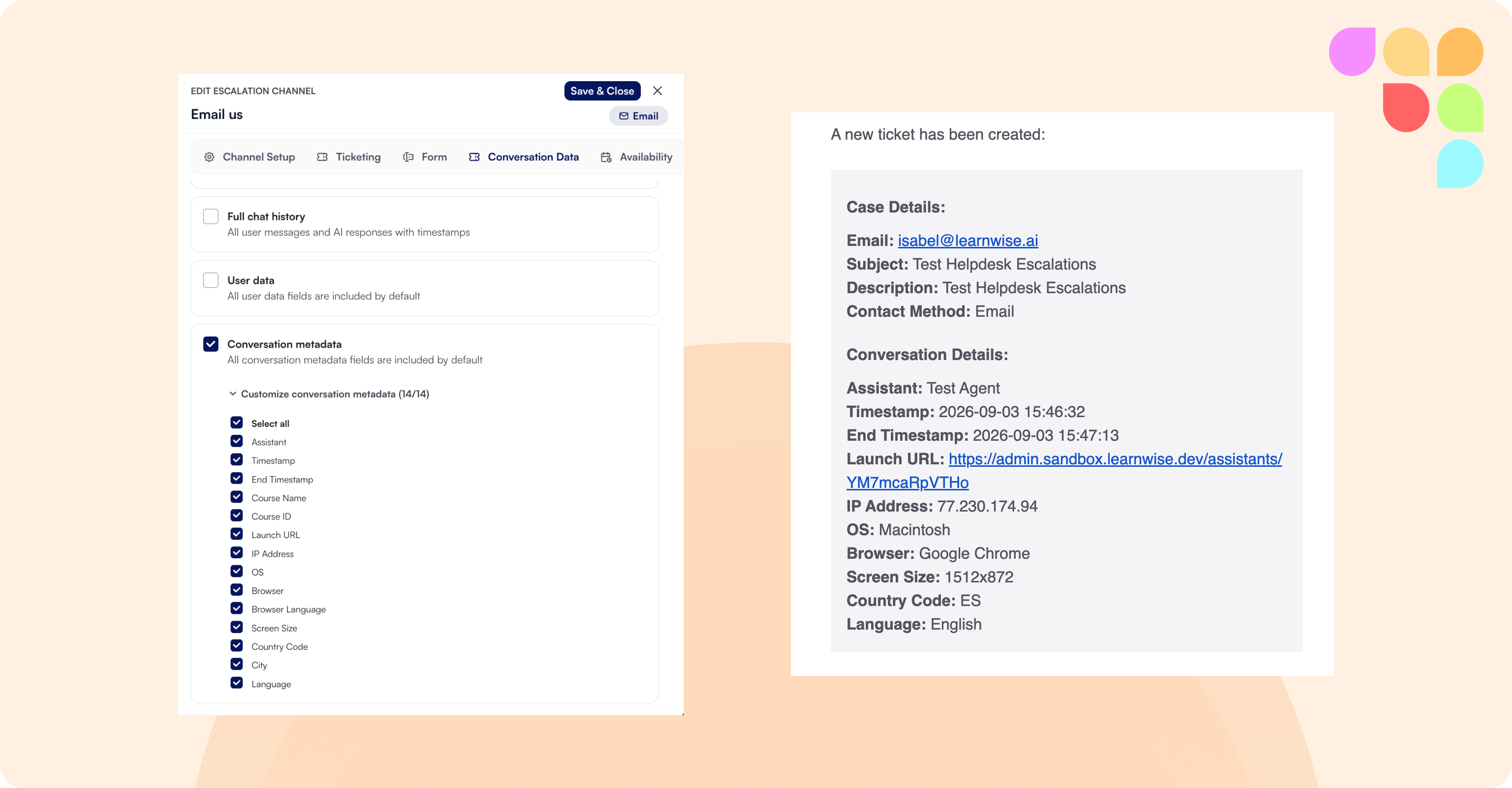
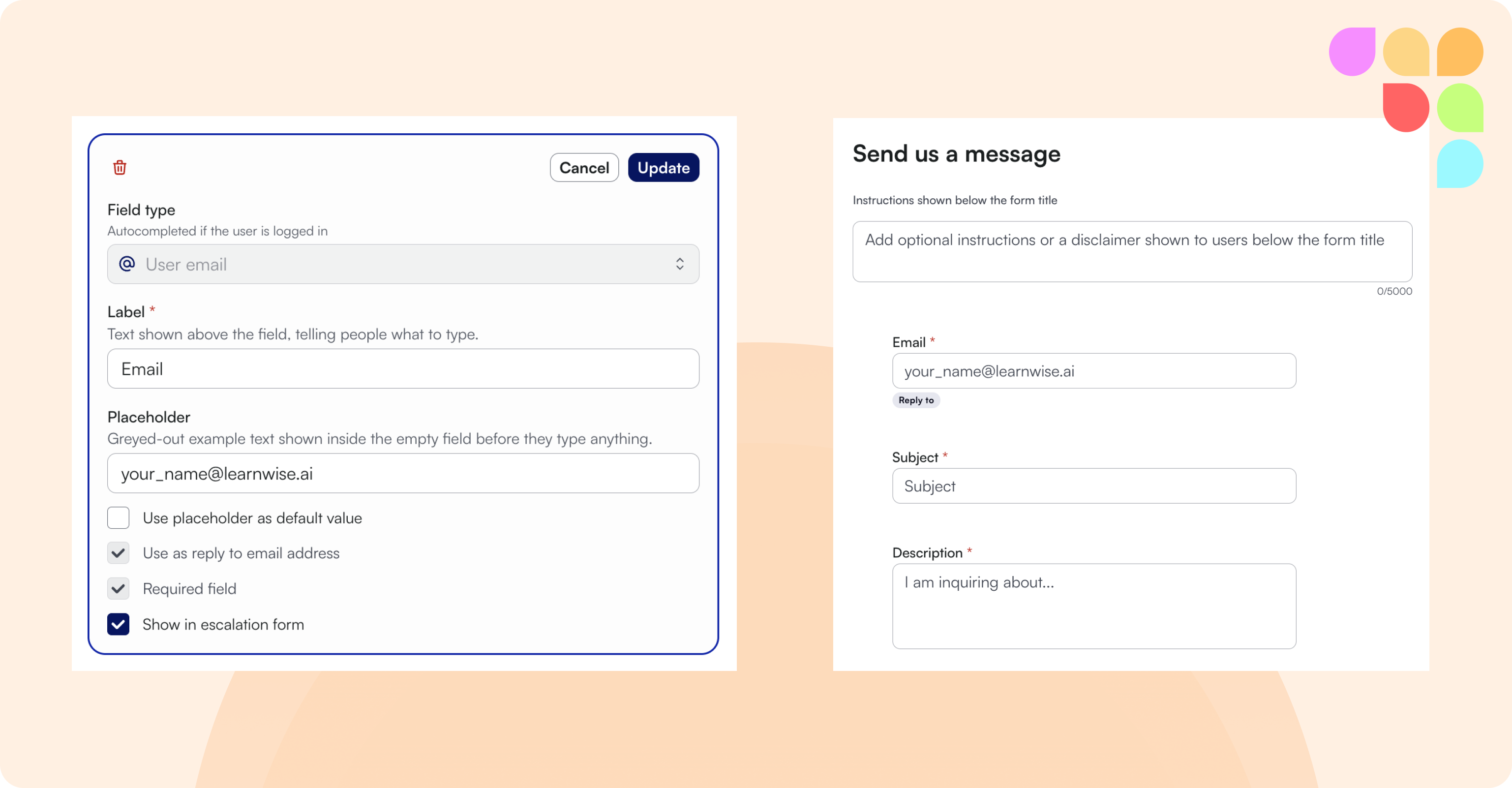
Help desk hours can now include more than one time window per day (for example, 9:00 to 12:00 and 14:00 to 17:00), so escalation options only appear when staff are actually available. When a learner opens a help desk from a conversation, the Back button now takes them back to that conversation. Escalation tickets sent to TeamDynamix can also include file attachments.
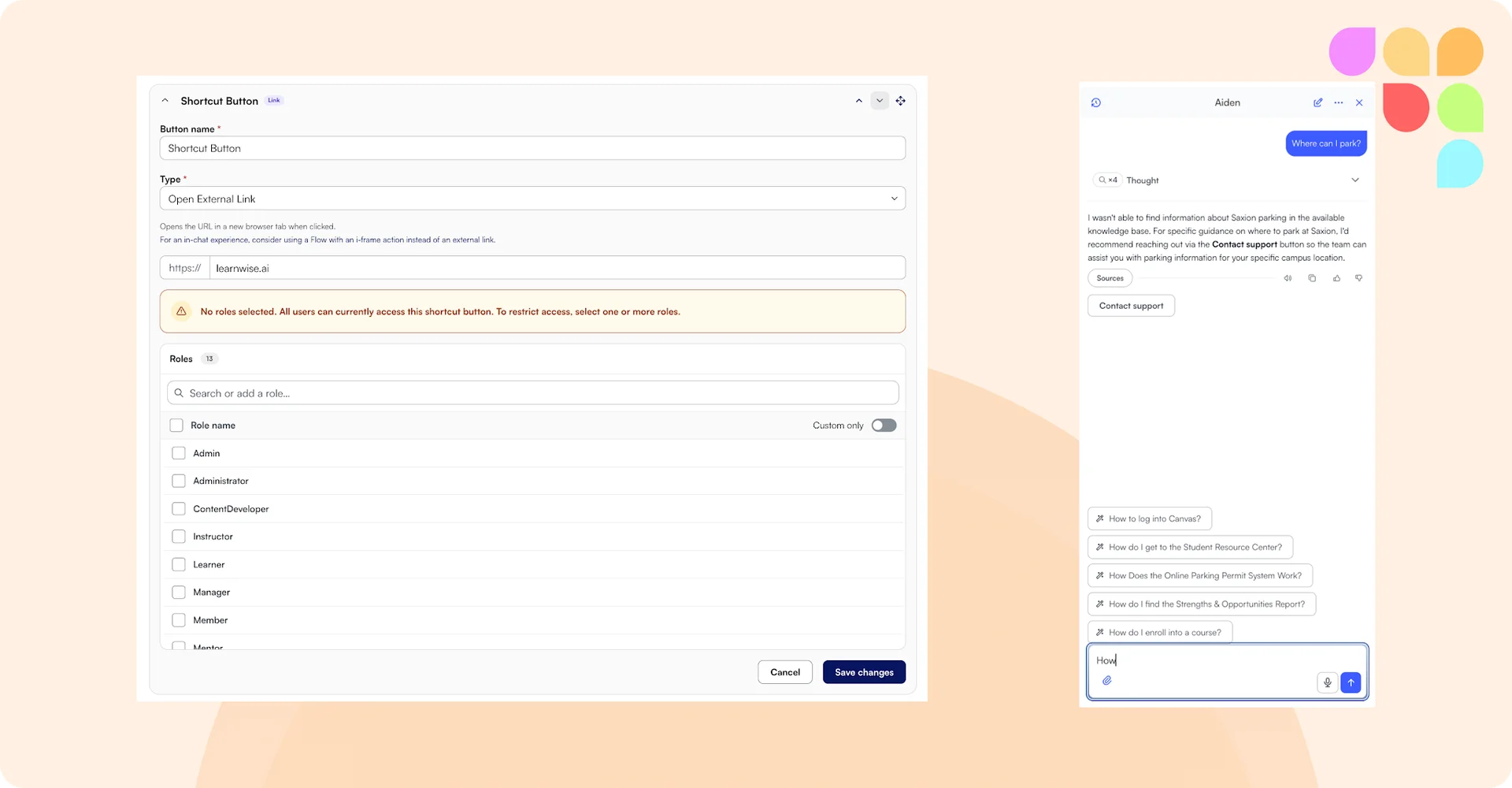
Hide Shortcut Buttons
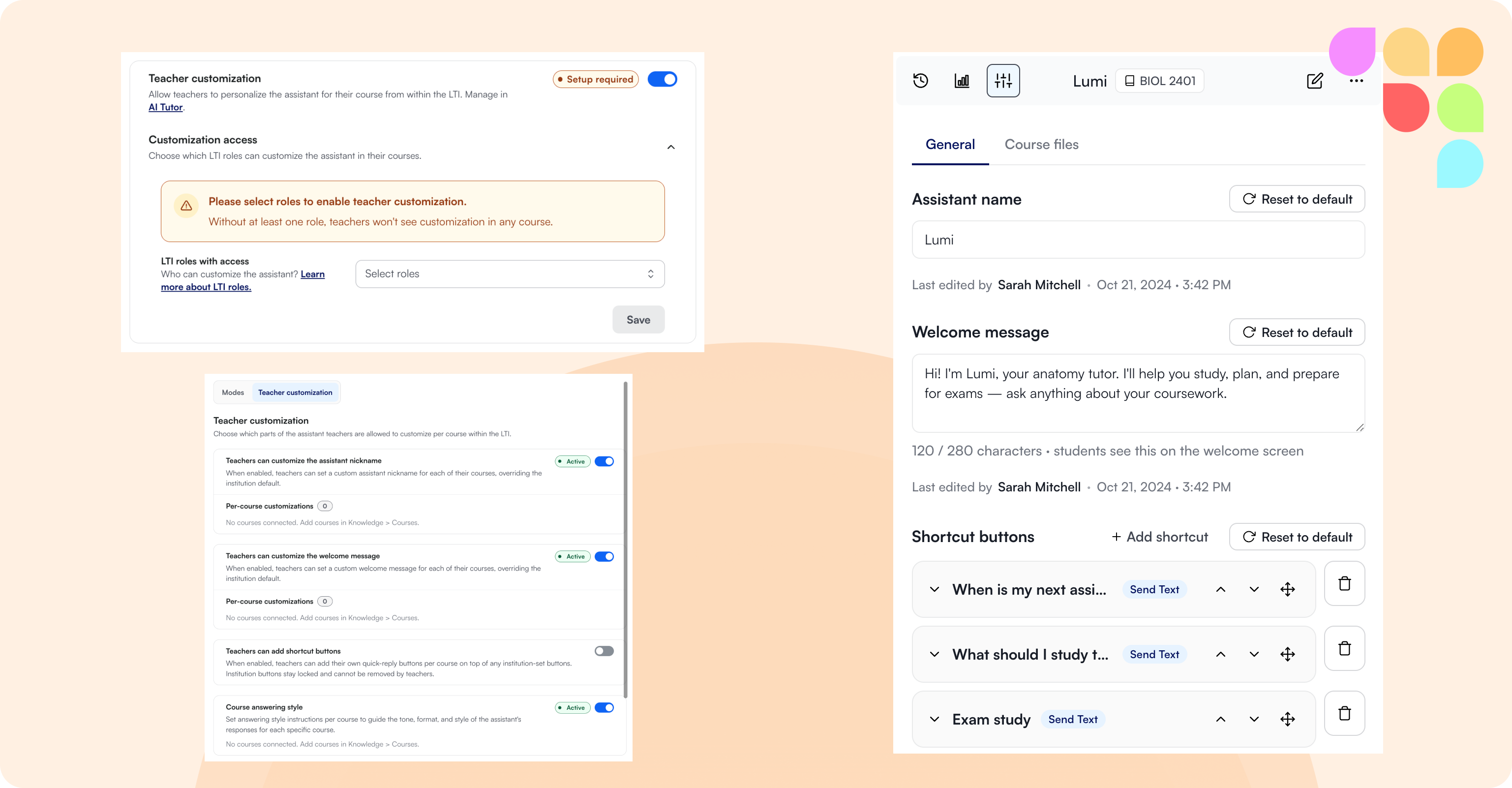
Shortcut buttons can now be hidden without deleting them, so you can take a button out of the chat temporarily and bring it back later with the same settings.
Chemistry, Music, and Math Notation in Chat
The chat can now display chemical structures and musical symbols, and more math expressions now display correctly, making assistants more useful for science, math, and music courses.
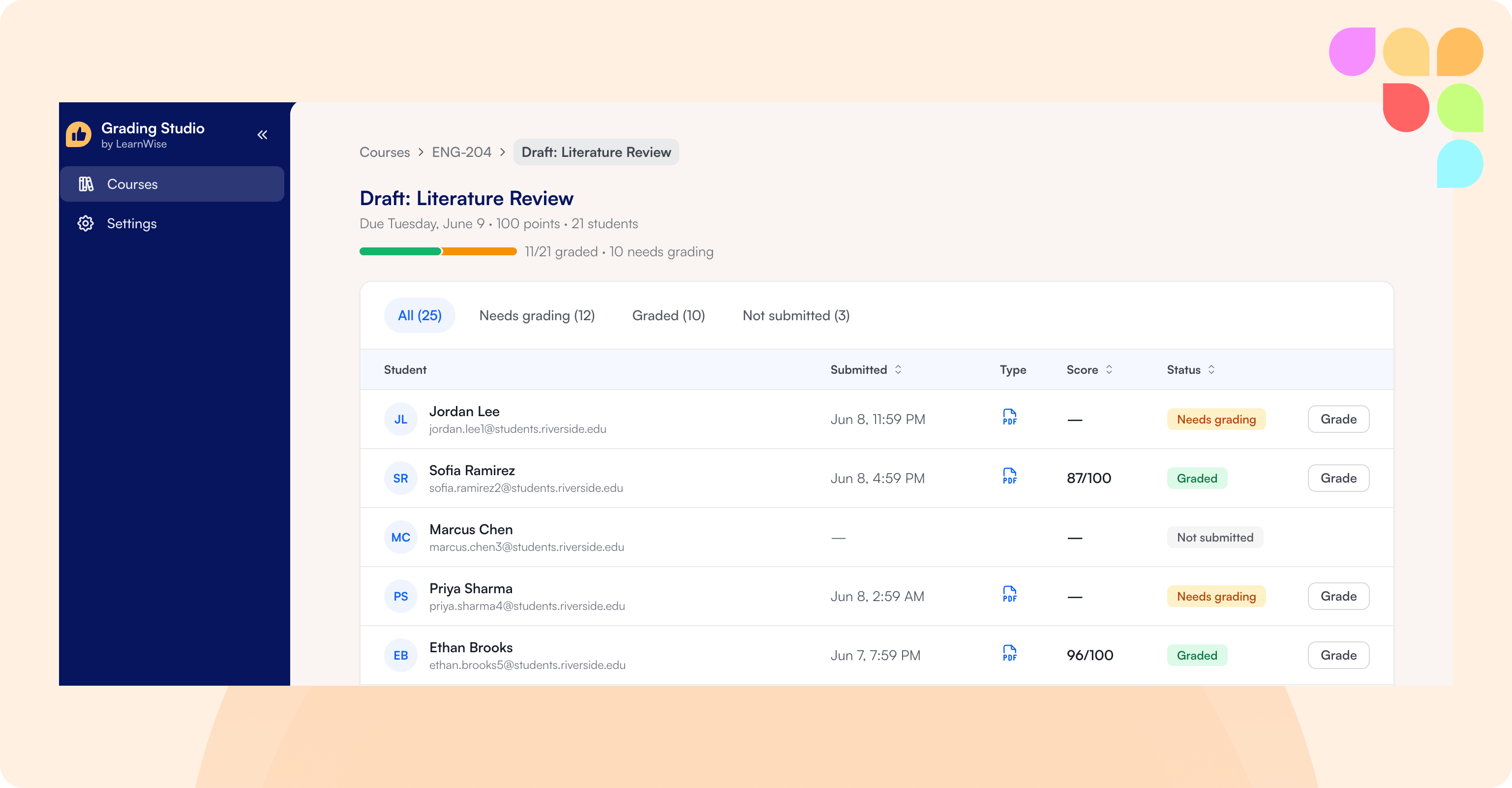
Faster Browsing in Grading Studio
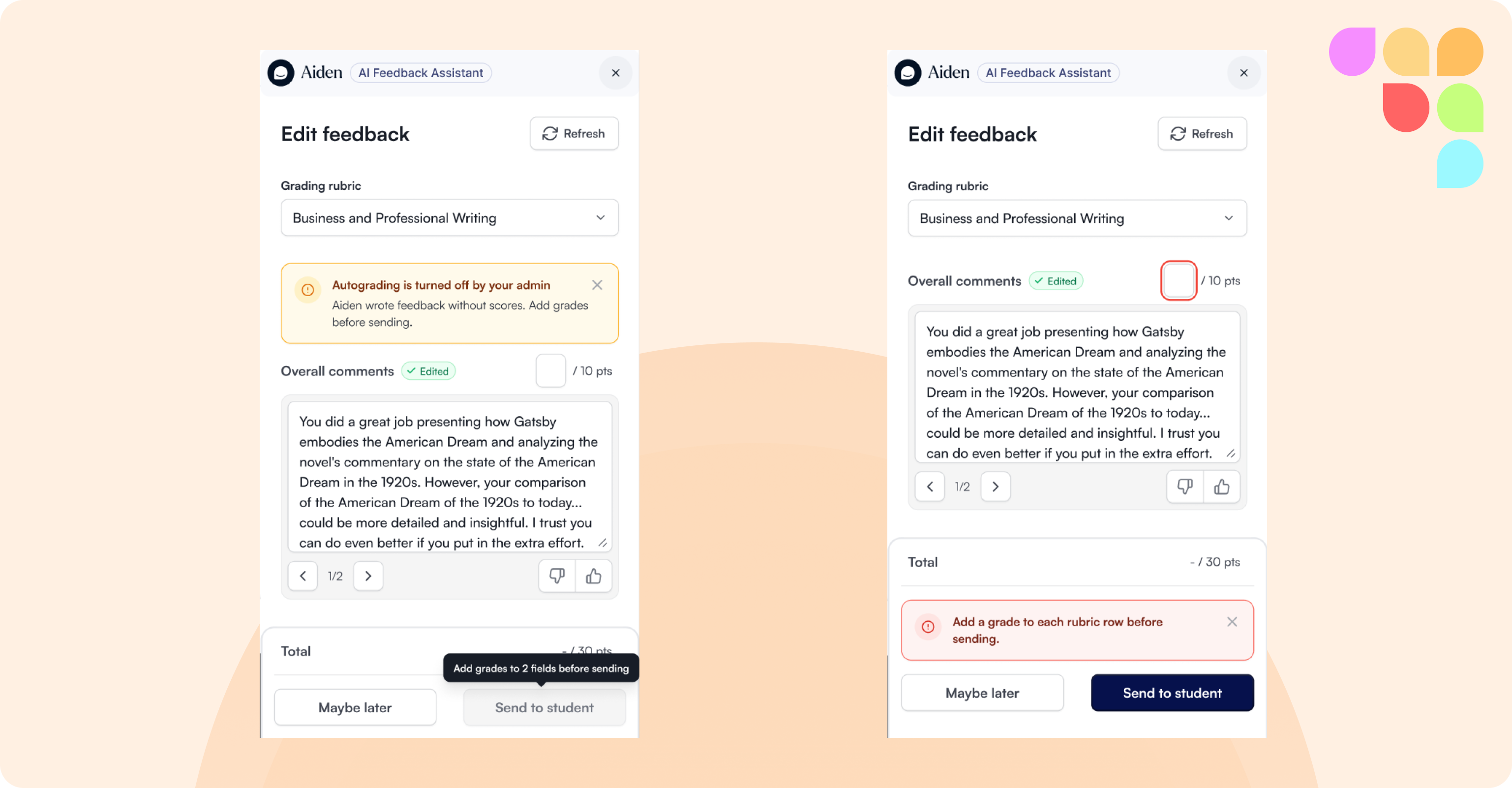
The courses list and each course’s assignments list in Grading Studio are now split into pages, so large catalogs load faster.
Update Microsoft Entra Credentials
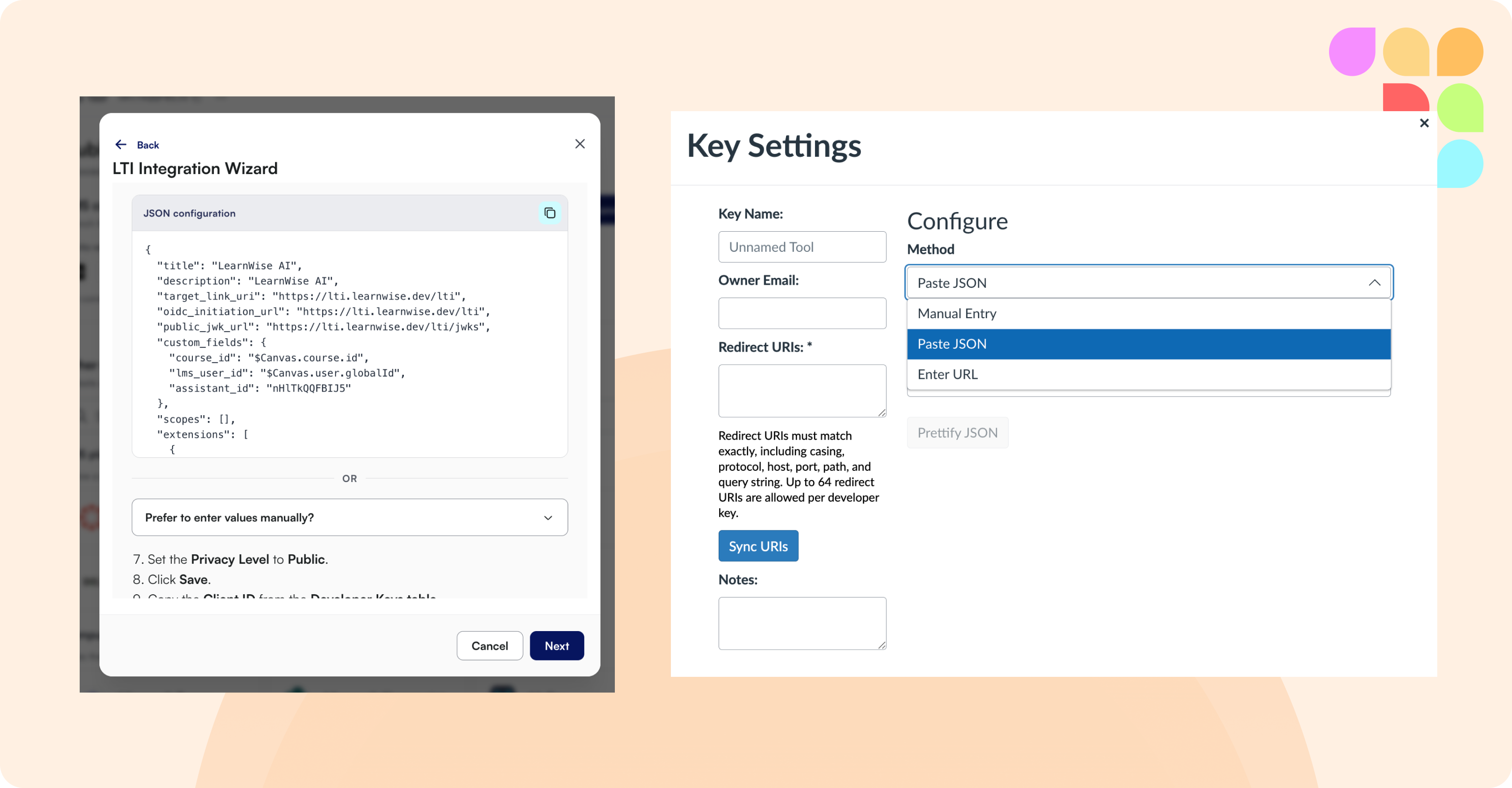
Admins can now update the credentials of an existing Microsoft Entra connection instead of having to set it up again.
Accessibility
Voice Mode now confirms out loud what it heard before sending, and reads the latest response first, making it easier to use for learners who rely on audio.